Advancing Genetic Improvement through In Vitro Embryo Production and Embryo Transfer
Accelerating Genetic Improvement and Empowering Livestock Farmers with High-Genetic-Merit Calves
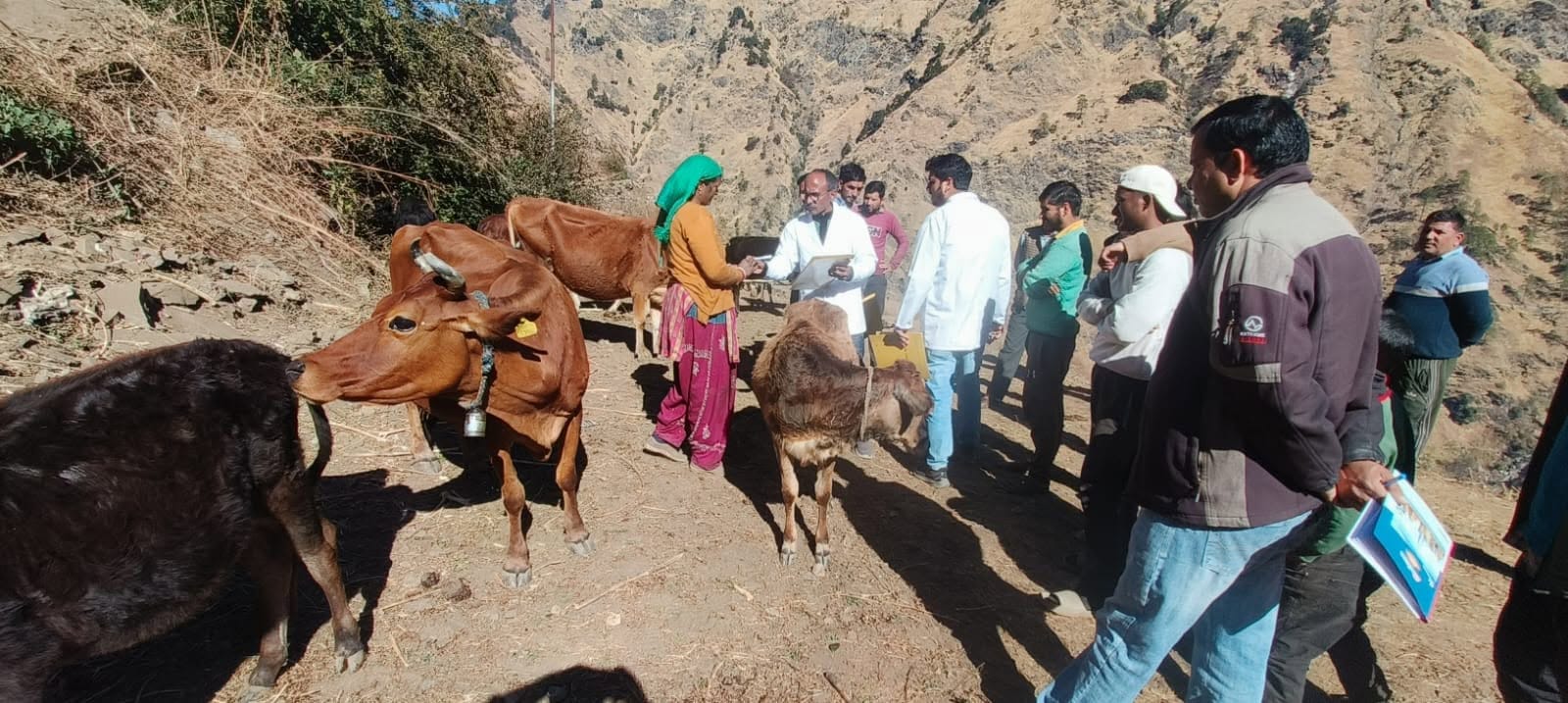
Scheme Name: Production of High Genetic Merit Calves via vitro Embryo Production and Embryo Transfer Programme
· Department: Animal Husbandry Department, Government of Uttarakhand
· Implementing Agency: Uttarakhand Livestock Development Board (ULDB)
· Year of Launch: 2026-27
· Approval: G.O. 912/XV-1/2026/98976 Dt. 1st July 2026
· Geographical Coverage: Pilot for 03 selected districts i.e. Dehradun, Udham Singh Nagar & Haridward
· Status: Ongoing
Problem Addressed and Objective
· Low productivity of indigenous cattle due to limited availability of elite germplasm
· Slow genetic progress through conventional breeding methods.
· Objective: Production of elite calves through laboratory-based in-vitro embryo production and transfer of embryos into suitable bovine recipients at farmers’ doorstep
· Increased selection intensity and reduced generation intervals, resulting in improved genetic gains
Scheme Design and Key Interventions
- Target beneficiaries & eligibility: Farmers of for 03 selected districts i.e. Dehradun, Udham Singh Nagar & Haridwar having group of 10 animals at least
- Assistance/subsidy: Convergence of Centre, State sector, district plan and farmer’s share. (₹2500/Embryo Transfer)
- Service provided, delivery mechanism, distinctive or innovative features:
- Selection of elite donor animals and recipient animals.
- In vitro embryo production at Kalsi Embryo Biotechnology Centre.
- Mobile Embryo Transfer Laboratory for doorstep service.
- Training of veterinarians for ET operations.
- Embryo transfer, pregnancy diagnosis and monitoring up to calf birth.
- Institutional partners: Department of Animal Husbandry, Uttarakhand & Uttarakhand Cooperative Dairy Federation and ULDB as IA
Financial Outlay and Expenditure
- Total Project Cost: ₹565.00 lakh for 5 years.
- Expenditure: RGM Share – ₹175 lakh, State Capital Expenditure – ₹104.80 lakh; State Recurring Expenditure – ₹164.70 lakh; District Plan – ₹120.50 lakh; Farmer’s Contribution – ₹87.50 lakh.
Physical Outputs
- Target during project period of 5 years
- Donor animals: 110, Embryo transfers: 3,500, Pregnancies to be achieved: 1,030 and production of 1,000 High genetic merit calves
- Training of 36 veterinarians
Employment and Livelihoods Generated
- Capacity building of veterinary officers through specialised training.
- Increased income potential of livestock farmers through improved milk productivity and availability of elite calves.
Ground-Level Outcomes and Impact
- Faster genetic improvement compared to conventional Artificial Insemination.
- Expected genetic gain of approximately 330–340 kg milk per generation through IVF-ET compared to 160–180 kg through AI in indigenous cattle.
- Availability of desired breed calves at farmers’ doorstep.
- Improved productivity and farmer income.
Evidence and Success Stories
· Existing institutional infrastructure: Embryo Biotechnology Research & Training Centre, Kalsi. OPU-IVF laboratory, Kalsi, Mobile ET laboratory.
· Success Story : Sh. Yogeendra Singh Rawat Ji-Basgar, Shakti Farm, Sitarganj, U.S. Nagar
Mukhyamantri Gokul Embryo transfer Yojana
Embryo transfer technology is a method of rapid genetic improvement in milk productivity of cattle by laboratory production of embryos by using germplasm of elite cows called donors and elite sire and transferring to average or below average cows called recipients.
Field Embryo Transfer program – It is a Unique initiative taken by Government of Uttarakhand under the leadership of Hon Chief Minister and Hon. Minister for Animal Husbandry to provide direct benefits to progressive farmers of the state as genetic improvement per generation is almost thrice as compared to conventional Artificial Insemination program which utilises only superior male genetics. Embryos from elite Indigenous cattle milch breeds such as Sahiwal, Gie, Tharparkar, Sindhi as well as cross breeds will be produced at Embryo Biotechnology lab at Kalsi and transferred to recipients’ cows and heifers available at livestock door Step.
The Scheme-Primary objective of the scheme is to transfer 3500 top line genetics embryos with successful 1000 elite genetics calves production within a period of five years at livestock owner door step with a outlay of Rs 565 lakh. It is a composite scheme with contribution from Central government Rastriya Gokul Mission with outlay of Rs 175 lakh, State sector contribution of Rs 269.50 lakh, District plan outlay of 120.50 and Livestock owner contribution of Rs 87.50 lakh.
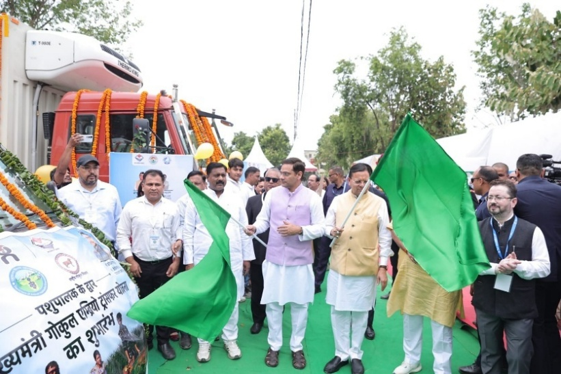
Inauguration Hon. Chief Minister, Uttarakhand
Stakeholders
1- Animal Breeding Farm Kalsi- Donors and IVF lab for embryo production
2- District level - Veterinarians of district Dehradun, Haridwar and Udham Singh Nagar to be trained for recipient selection and synchronization and Embryo transfer
3- Livestock Owners – minimum of 10 breedable herd
Steps for Implementing the Project
1. Advertisement in Electronic and print media and Camps
2. Veterinarian Identification and training on Recipient identification, synchronization and Embryo transfer Training – IVF Lab Kalsi
3. Livestock owners and Recipients Identification - CVOs and Veterinary Officers
4. Synchronisation of recipients
5. Donor Identification- Based on demand of breed Based on demand – Red Sindhi, Sahiwal, Gir, Tharparkar, Jersey and embryo production – IVF Lab Kalsi
6. Embryo Transfer in field- Embryos provided to field veterinarians with initial assistance
7. Pregnancy examination after 60 days post embryo transfer. – Veterinary officers
8. Calves born and facilitation
Embryo transfer training Program Conducted
Two batches of field Embryo transfer training completed – 15 vets trained and 8 will be trained in September
|
S.No |
District |
No. of Vets
Trained |
|
01 |
Udham Singh
Nagar |
07 |
|
02 |
Haridwar |
04 |
|
03 |
Dehradun |
04 |
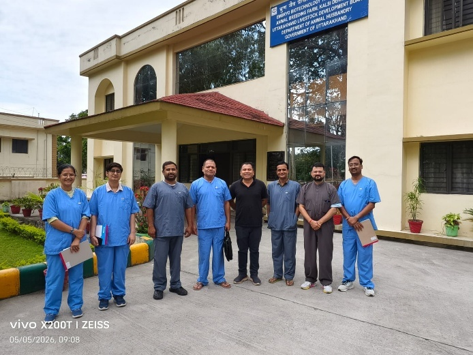
3rd Batch Proposed Program - 04 vets from Haridwar and 4 from Dehradun.
Identification of Donors for Embryo Production –Completed
Identification of Red Sindhi , Sahiwal, Gir, Tharparkar , Jersey completed
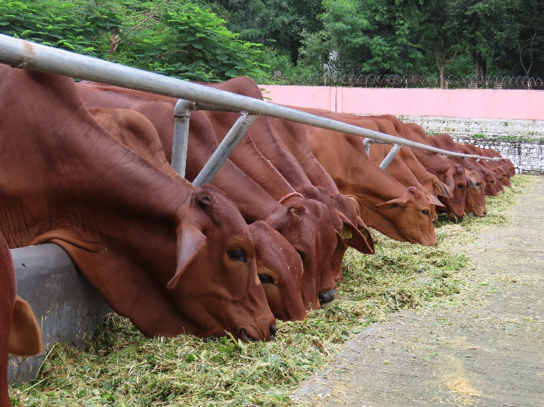
Embryo production – Embryos are being produced and frozen for field embryo transfer in case Fresh embryos not available as contingency plan.
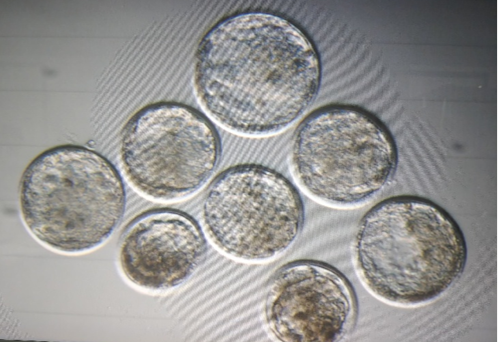
Purchase of Equipment and Consumables – Equipment , Consumables , Hormones for synchronization purchase is under proccess
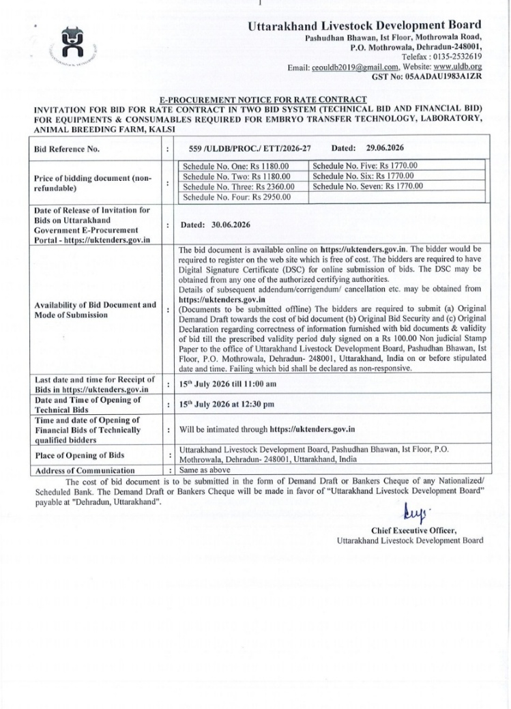
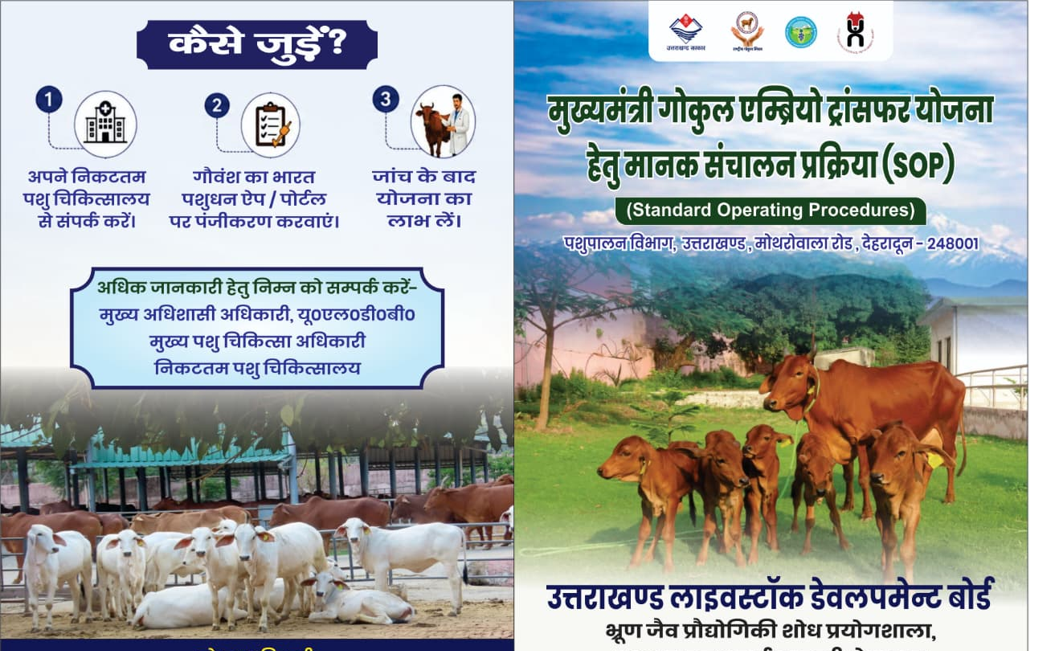
Standard on Field Embryo transfer program- Prepared
Field Identification of Recipients –
1. Multiple rounds of Zoom meeting conducted with District CVO , Veterinary Officers.
2. List of Probable recipients taken from Bharat Pashudhan portal
3. Physical verification is being conducted by Veterinarians in all three districts.
4. Deworming, Vaccination of recipients
5. Identification of recipients and palpation started in all three districts
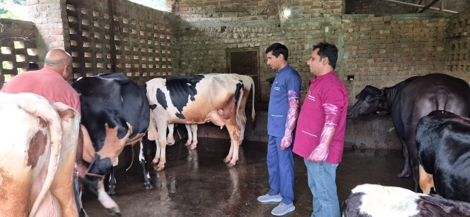
Synchronization of recipients already started in Haridwar
Field Embryo Transfer – First round of embryos of Holstein X Gir ( Girlando) will be transferred first week of September.
Implementation Challenges and Corrective Action
· Challenges: Identification of suitable recipients, farmer awareness, technical expertise, synchronization of animals and field-level coordination.
· Corrective Measures: Awareness camps, farmer selection criteria, veterinarian training, mobile ET services, regular pregnancy monitoring and data recording.
Present Status and Way Forward
The programme aims to develop a sustainable Embryo Transfer (ET) system in Uttarakhand. In the coming years, ET services will be expanded to more districts, genomic selection will be strengthened, more farmers will be involved, indigenous breed productivity will be improved, and high-quality germplasm will be made available across the state.