Impact of My Work in National Program for Dairy Development (NPDD)
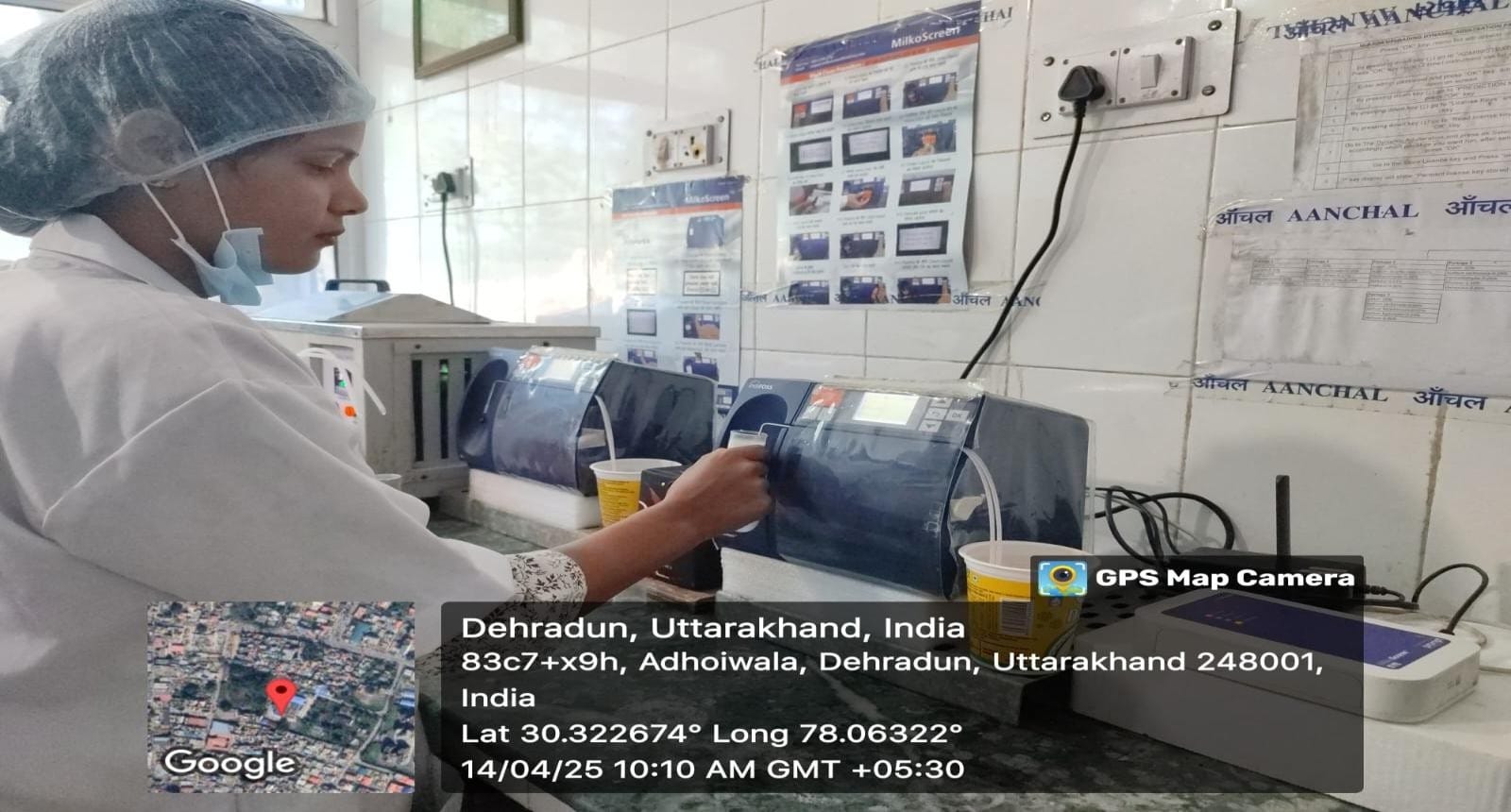
Enhancing milk quality and food safety through advanced testing infrastructure, modern laboratories and quality-based milk procurement.
Scheme Name: National Program for Dairy Development (NPDD)
· Department: Dairy Development Department
Problem Addressed & Objective
Problem:
· Limited infrastructure for milk and milk products quality testing.
Objectives:
· Install advanced DPMCUs at the DCS level for quality-based raw milk reception.
· Modernization and strengthening of laboratory infrastructure at dairy processing and chilling centers.
Scheme Design & Key Interventions
· The scheme is funded by the Central Government on a 90:10 funding pattern.
· Installation of advanced DPMCUs at the grassroots level.
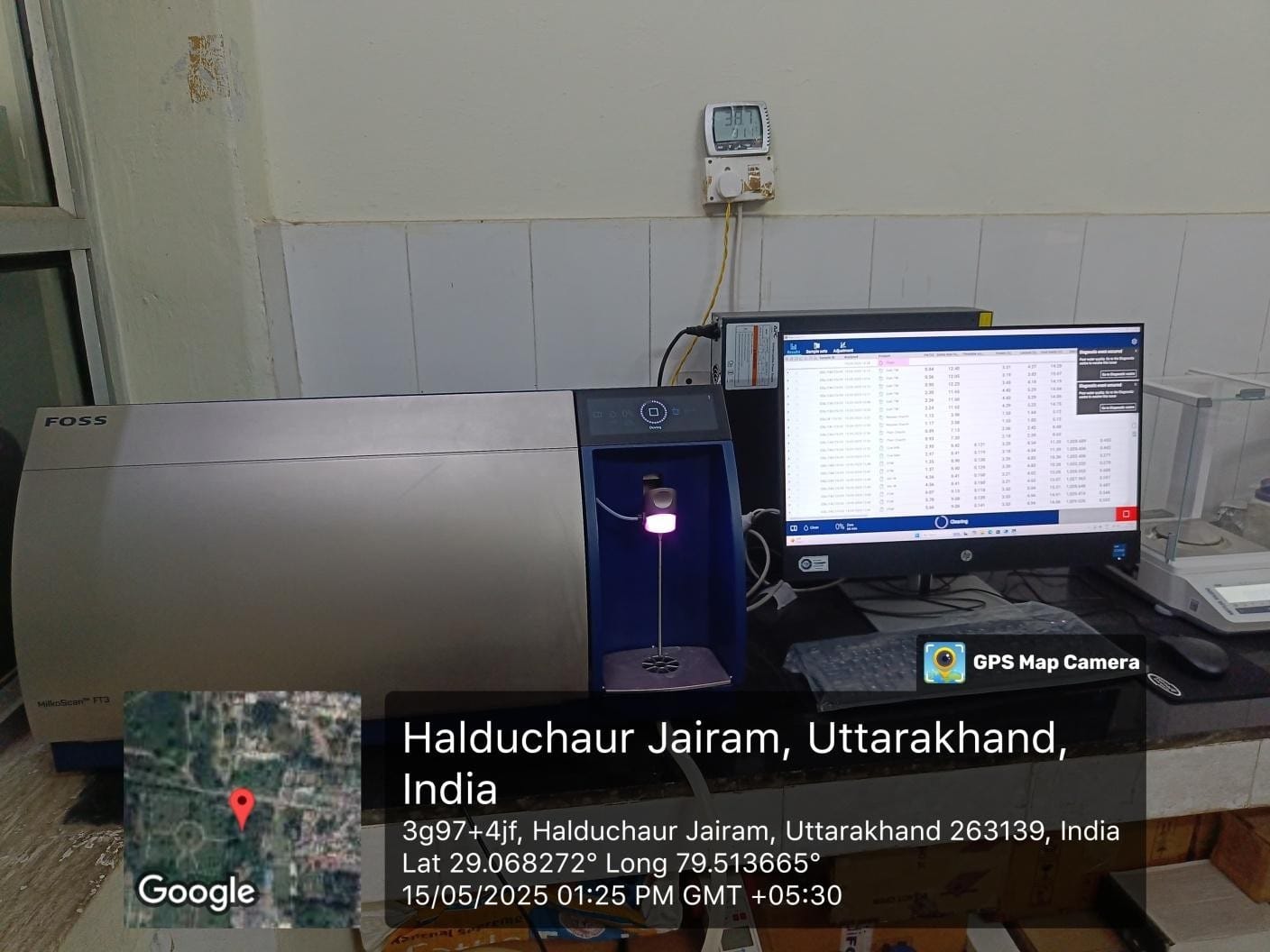
· Establishment of a Central Dairy Laboratory for quality assurance and testing.
· Procurement, supply, and installation of modern laboratory equipment.
Physical Outputs
· Total of 1275 advanced DPMCUs have been installed.
· Establishment of Central Dairy Lab at Nainital.
· Testing laboratory infrastructure has been strengthened at 28 Milk Chilling Centers (MCCs)/Bulk Milk Cooler (BMC) Centers.
· Quality assurance laboratories have been strengthened across 11 Milk Unions.
Employment & Livelihoods Generated
Strengthened laboratory infrastructure has not only improved milk quality assurance but has also generated direct employment for approximately 63 skilled and semi-skilled personnel across milk unions and chilling centers.
Ground-Level Outcomes & Impact
· DPMCU-based transparent working practices of DCS have led to the enrollment of about 1500 new members.
· Realtime data flow across raw milk supply chain.
· MBRT performance has improved considerably, increasing from an average of 40 minutes to 60 minutes (Max. 75 minutes).
· Enhanced testing infrastructure has improved the quality assurance of milk and milk products, leading to substantial growth in sales. As a result, milk sales increased by 9.34%, paneer sales by 15.82%, and Dahi sales by 37.71%.
Implementation Challenges & Corrective Action
· Limited availability of technically skilled manpower.
· Difficulties in providing timely DPMCU maintenance and technical support, particularly in remote and hilly regions.
· To address these challenges, the recruitment of technical personnel is currently underway.
· AMC for DPMCUs.
Present Status & Way Forward
· Out of the total 2800 Dairy Cooperative Societies (DCSs), DPMCUs have been installed in 1355 societies.
· 1536 DPMCUs will be installed in rest of the DCS within next 2 years.
Success Stories of National Program for Dairy Development
Reviving Chekaghat Through Digital Transparency
(How technology helped rebuild trust in a small milk-producing village in Sitarganj)
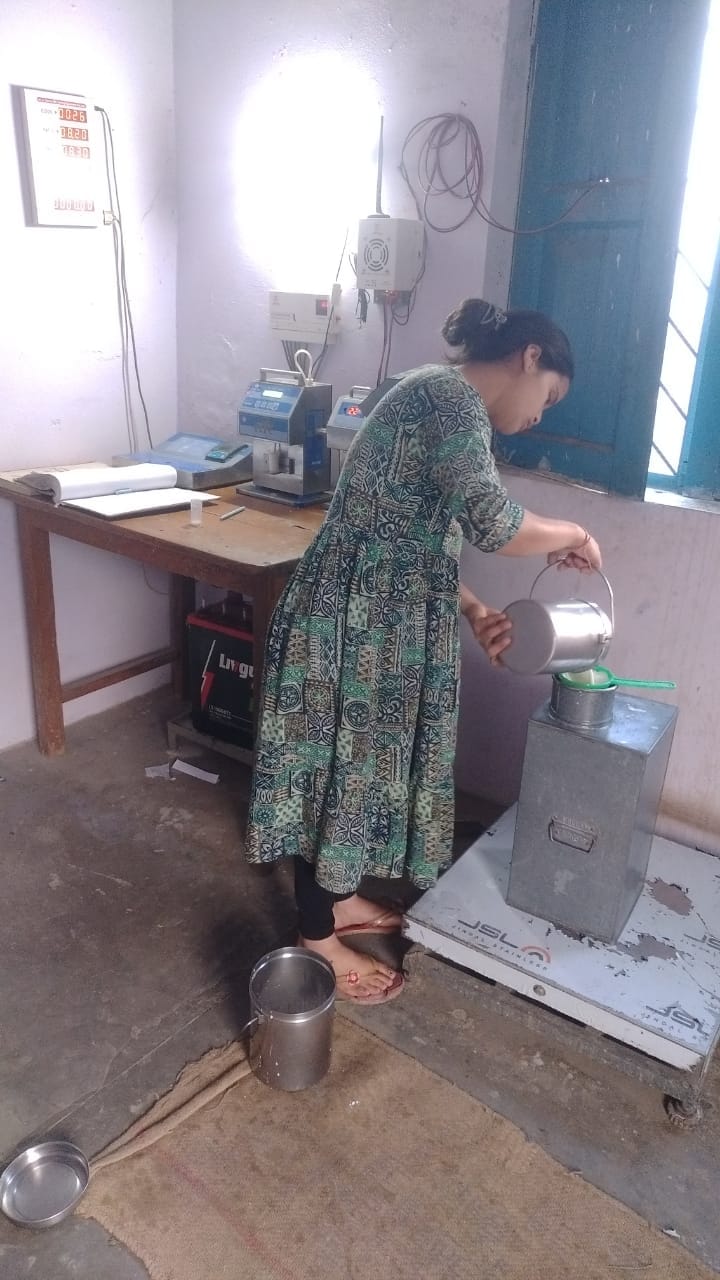
Chekaghat is a small village located near the Kailash River in the Sitarganj tehsil of Udham Singh Nagar district, Uttarakhand. The milk cooperative society had been formed around a decade earlier, but for many years it struggled to operate consistently because milk measurement and quality checks were carried out manually.
The absence of transparent systems created doubt among milk producers. Manual entries, handwritten passbooks and delayed clarity on milk value often led to confusion. As a result, producers lost confidence and the committee repeatedly became inactive.
The turning point came on 09 May 2022, when the milk cooperative society was reorganized with support from NPDD and a Data Processing and Milk Collection Unit (DPMCU) was installed. At the start of the revival, the society collected approximately 115 litres of milk from 6 producers. The new system introduced transparent milk weighing, fat testing, SNF testing and automatic details of payments through producer slips.
This shift created immediate confidence. Producers could see the quantity, quality and value of their milk at the point of collection. The information that was previously unclear became visible, consistent and dependable.
Today, the committee has grown from 6 to 45 members and daily milk procurement has reached around 560 litres. Producers also receive annual milk-profit bonuses, which has further motivated them to maintain more milch animals and improve their livelihoods. Chekaghat has become a strong example of how technology and farmer participation can restart a local dairy movement.
Pawalgarh’s Digital Collection Transformation
(How a DPMCU improved speed, accuracy and satisfaction for producers and society staff)
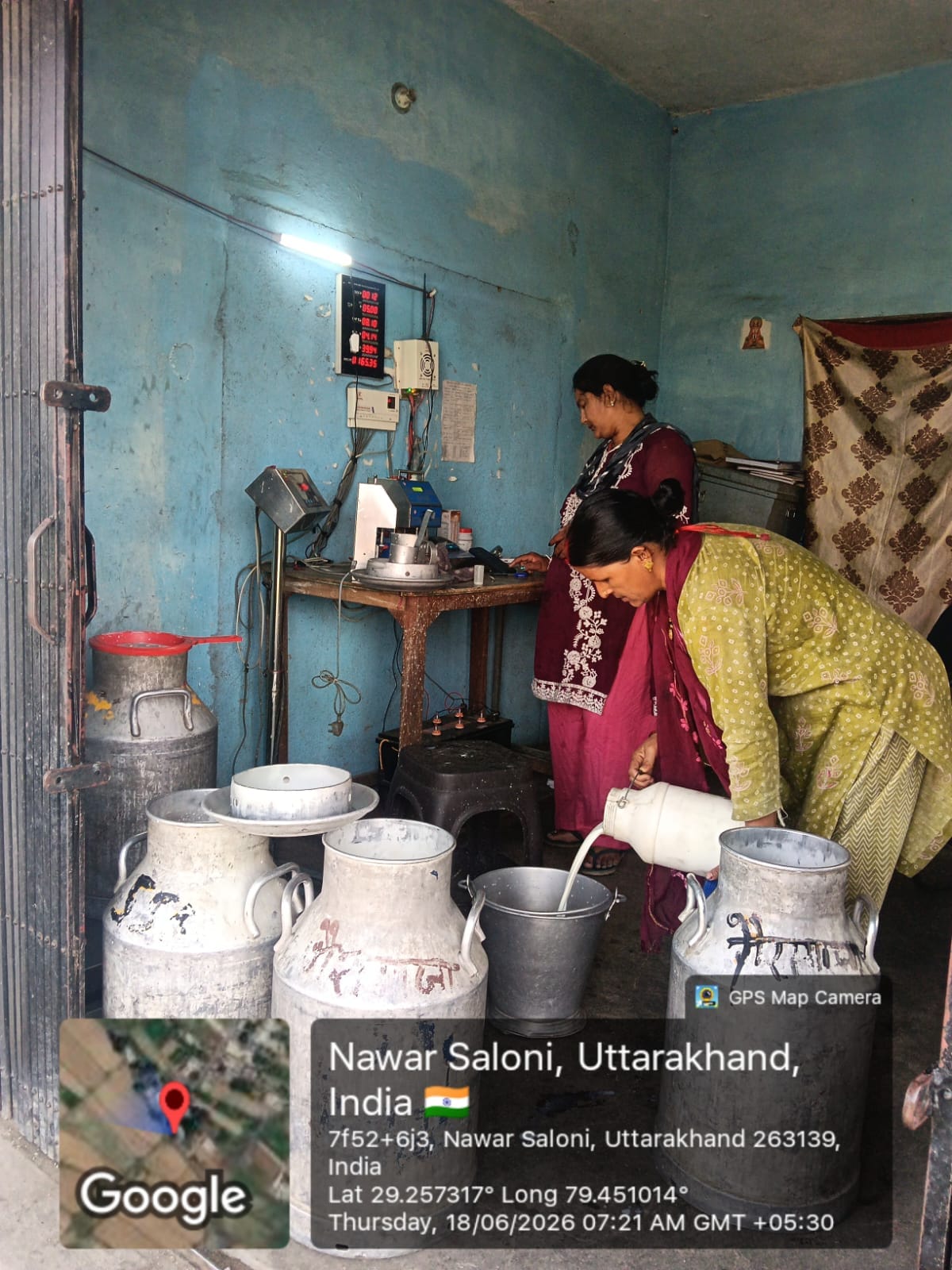
Pawalgarh has been a Milk Cooperative Society under DUSS Nainital since 2002. In the earlier system, milk was measured in litres, fat was tested using a Gerber machine and CLR was checked through a lactometer. Producers brought milk to society, but fat testing was often completed later because samples had to be kept separately.
This created a major challenge. Only a few producers could see the fat result at the time of milk delivery, and when rates were communicated the next day, it was difficult to satisfy members. At that time, the society collected around 40 litres of milk and had 27 pourer members.
In 2022-23, a DPMCU set was installed at society. The modern system allowed producers to know the price, fat and SNF of their milk immediately. It also enabled accurate weighing, including payment for small quantities below 100 grams, which increased producer confidence in the fairness of the process.
The benefits were visible for both producers and staff. Producers became more satisfied because they could immediately verify milk quality and value. The society secretary’s workload also reduced significantly because the time previously spent on manual measurement, CLR checking and later fat testing was saved. Collection work became simpler, faster and more organized.
Today, Pawalgarh collects around 600 litres of milk and has 227 pourer members. The installation of the DPMCU strengthened confidence in Aanchal Dairy, improved quality awareness and increased milk procurement. Pawalgarh shows that digital systems can make rural dairy operations both more transparent for producers and more efficient for society staff.
Pata Society’s Digital Leap in Nainital
(Real-time information and transparent payments improved procurement, quality and producer confidence)
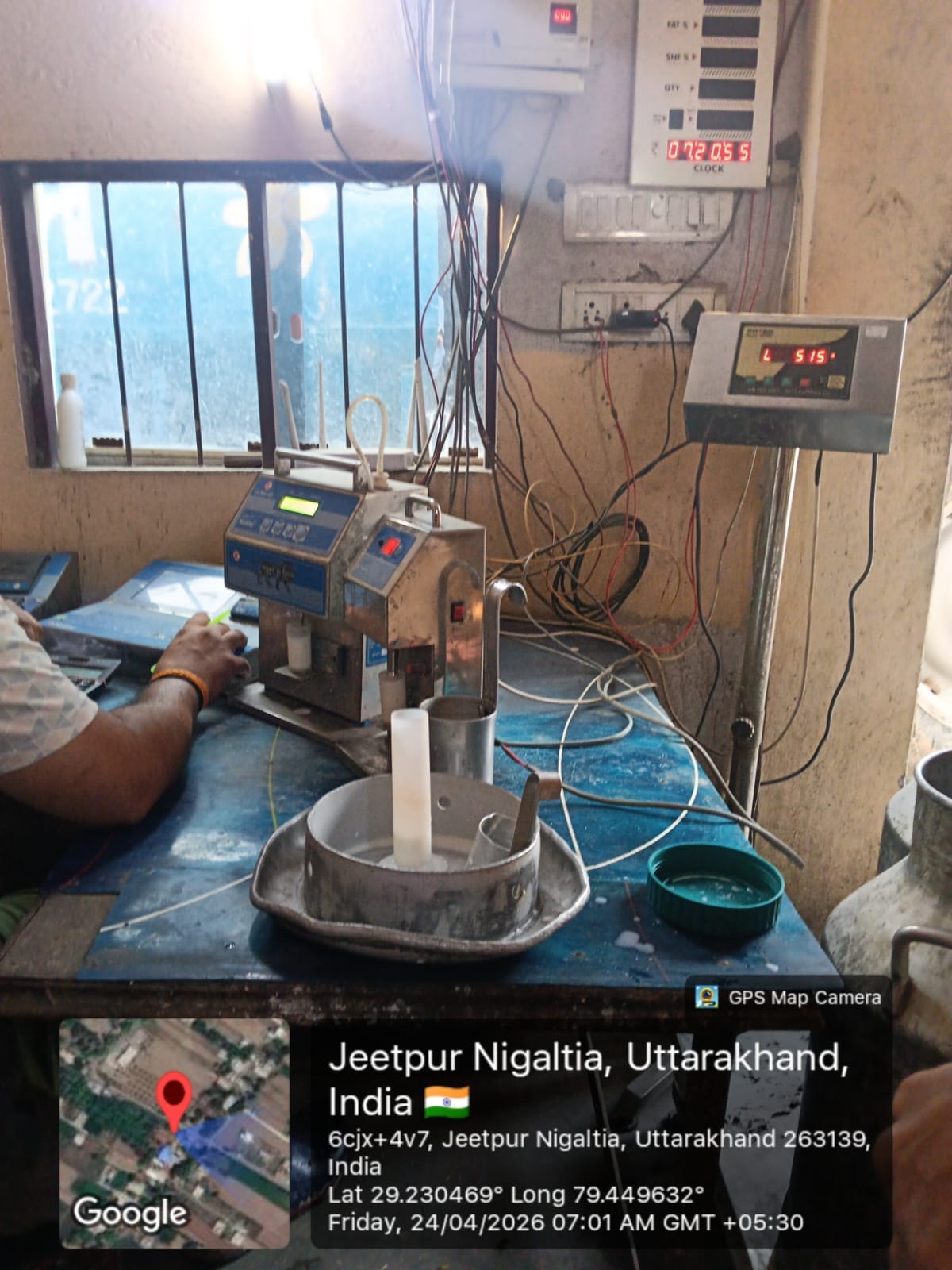
The Milk Cooperative Society Pata, located on the Babiyad road in Dhari development block of Nainital district, has been operational since 1999. For many years, the society worked with limited milk procurement, and until 2022 the highest recorded milk collection was only around 30 litres.
In 2022-23, the Nainital Milk Producers Cooperative Union supported the society by installing a DPMCU. This intervention made milk quantity, per-litre price, payable amount information available at the time of collection.
The new system created awareness among milk producers and strengthened confidence in the dairy business. Producers could clearly see how their milk was measured, valued and incentivized.
The improvement after DPMCU installation was clear across all major indicators: milk quantity increased from 30.50 litres to 198.20 litres, pourer membership increased from 12 to 25, fat percentage improved from 4.10 percent to 4.70 percent, and SNF improved from 8.20 percent to 8.44 percent.
As a result, the society recorded higher procurement, better milk quality and increased income for producers. The initiative also strengthened producer trust in the Pata society and the Nainital Milk Union.