My Role in the Farmer-to-ITBP Integrated Supply Chain Initiative
Connecting farmers directly with ITBP has strengthened market access, ensured timely payments, eliminated middlemen and increased farmers’ incomes through an integrated supply chain
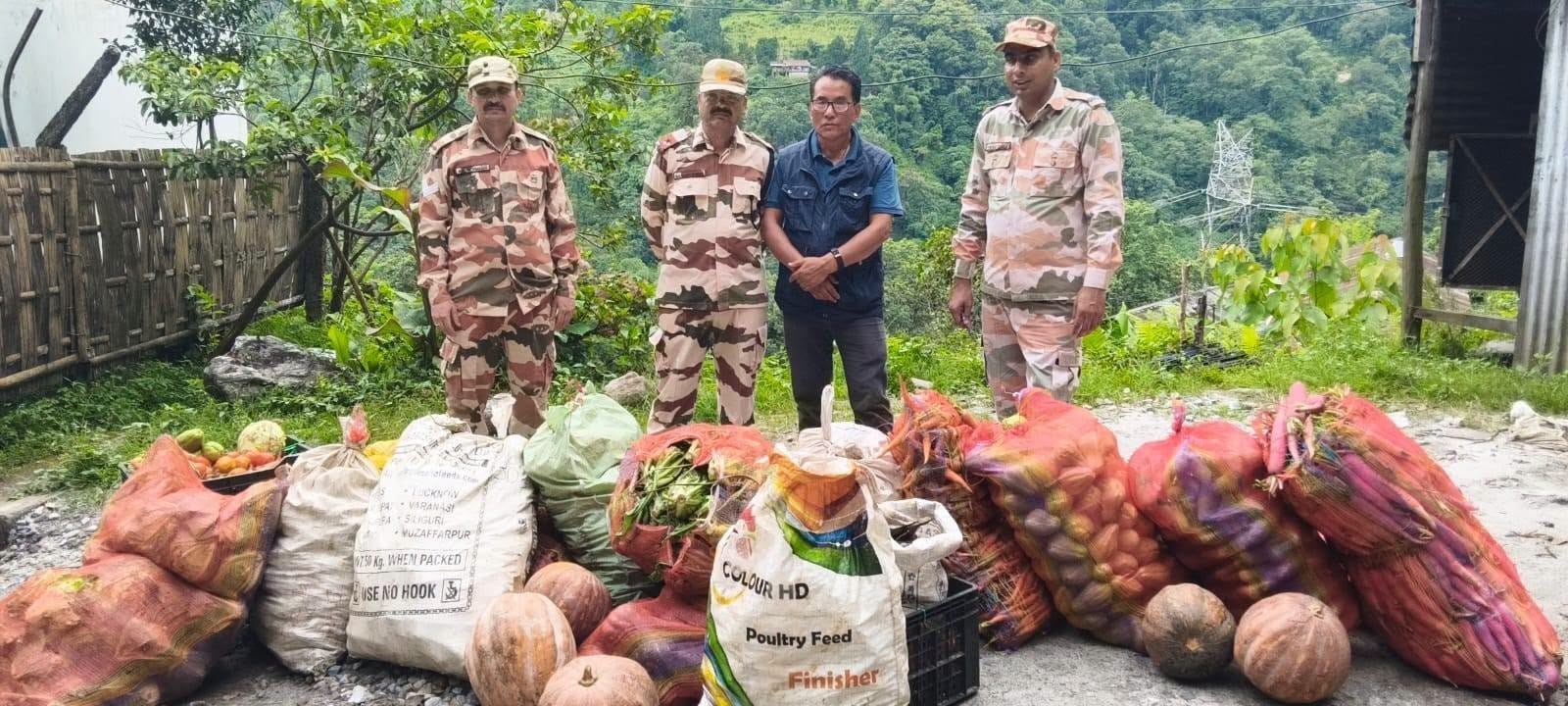
Scheme Name: Farmer-to-ITBP Integrated Supply Chain Initiative
· Department: Animal Husbandry Department, Government of Uttarakhand
· Year of Launch: 30 October 2024
· Approval: E-Letter No. 2028/XV-I/24/79865, Dated 23 Dec 2024, Pashupan Anubhag- 01 (Anex-01)
· Geographical Coverage: 127 border villages across Chamoli, Uttarkashi, Pithoragarh, Champawat and Dehradun
· Status: Successfully operational
Problem Addressed and Objective
The initiative was launched to provide assured markets, timely payments and better price realization for livestock farmers in remote border villages while ensuring a reliable supply of quality livestock products to ITBP formations. The objectives are:
· Supply of Local Products (Live Goat/Sheep, Poultry Birds & Trout Fish) to ITBP Units
· Establish assured institutional markets through direct procurement, eliminating intermediaries.
· Ensure transparent DBT payments within 24–48 hours to enhance farmers' income and livelihood security.
· Strengthen the objectives of the Vibrant Village Programme through institutional market linkages.
Scheme Design and Key Interventions
The initiative has established India's first structured Farmer-to-Security Force Supply Chain, with USGCF as the nodal agency. Livestock products are procured directly from registered farmers and Cooperatives/FPOs/SHGs based on ITBP demand, ensuring 100% veterinary certification, DBT payments within 24–48 hours and transparent digital monitoring through a ₹5.00 crore Revolving Fund.
Financial Outlay and Expenditure
Beneficiary contribution: Nil; operates on a cost-recovery model without recurring subsidy.•₹15.82 crore transferred directly to farmers through 100% DBT payments within 24–48 hours.•Funding Source: State Plan through a ₹5.00 crore Revolving Fund.•The initiative operates through a revolving fund mechanism for timely procurement and payment.
Physical Outputs (Annex-2)
· Institutional market linkage established across 5 border districts, covering 127 border villages through 24 Border Outposts/Formations.
· 387 individual farmers and 38 Cooperatives/FPOs/SHGs connected with assured institutional markets.
· Continuous supply with demand-based supply to selected Army and SSB establishments.
· 100% veterinary certification for every livestock consignment.
Employment and Livelihoods Generated
· 387 families directly benefited; 72 indirectly benefited in the food supply chain.
· Farmers' income increased by 20–30% through direct marketing.
· Strengthened livelihoods in remote border villages and reduced migration.
Ground-Level Outcomes and Impact
The initiative has transformed livestock marketing through a transparent institutional supply chain. ₹15.82 crore has been transferred directly to farmers through DBT, reducing payment time from 60–90 days to 24–48 hours, ensuring 100% market price realization, eliminating middlemen and achieving zero quality complaints from ITBP. The supply chain has also been extended to Army and SSB establishments on a demand basis.
Evidence and Success Story
The initiative is supported by veterinary certification and supply records, official appreciation from ITBP (Annex-03) and the SDG Achiever Award 2024–25. Key achievements include ₹15.82 crore transferred through DBT, 96% farmer satisfaction with payment timeliness, 92% satisfaction with price realization, 88% farmers reporting increased household income, and zero quality complaints from ITBP. (Annex-04)
Shri Vijay Kaintura (Chinyalisaur, Uttarkashi) has supplied 33,619.725 kg of poultry worth ₹45.95 lakh to ITBP. Assured procurement and timely DBT payments have enabled him to expand his poultry enterprise and increase income. (Annex-05)
Implementation Challenges and Corrective Measures
Challenges include difficult terrain, seasonal livestock availability, transportation to high-altitude locations, institutional reimbursement cycles and limited farmer awareness. These are being addressed through a ₹5.00 crore Revolving Fund, Goat Valley backward linkages, awareness through Cooperatives/SHGs/FPOs, advance demand planning, mandatory veterinary certification, digital payment monitoring, district-level coordination and coverage of villages near ITBP, Army and SSB establishments.
Present Status and Way Forward
The initiative is successfully supporting the Vibrant Village Programme, strengthening farmer livelihoods through assured institutional markets and timely DBT payments. Future priorities include expanding supplies to additional ITBP formations/Unit, increasing demand-based supplies to Army and SSB establishments, exploring procurement with other defence organizations, and integrating additional livestock and agricultural products through Cooperatives and FPOs.
Success Story: Shri Vijay Kantura – Transforming Poultry Farming through the Farmer-to-ITBP Initiative
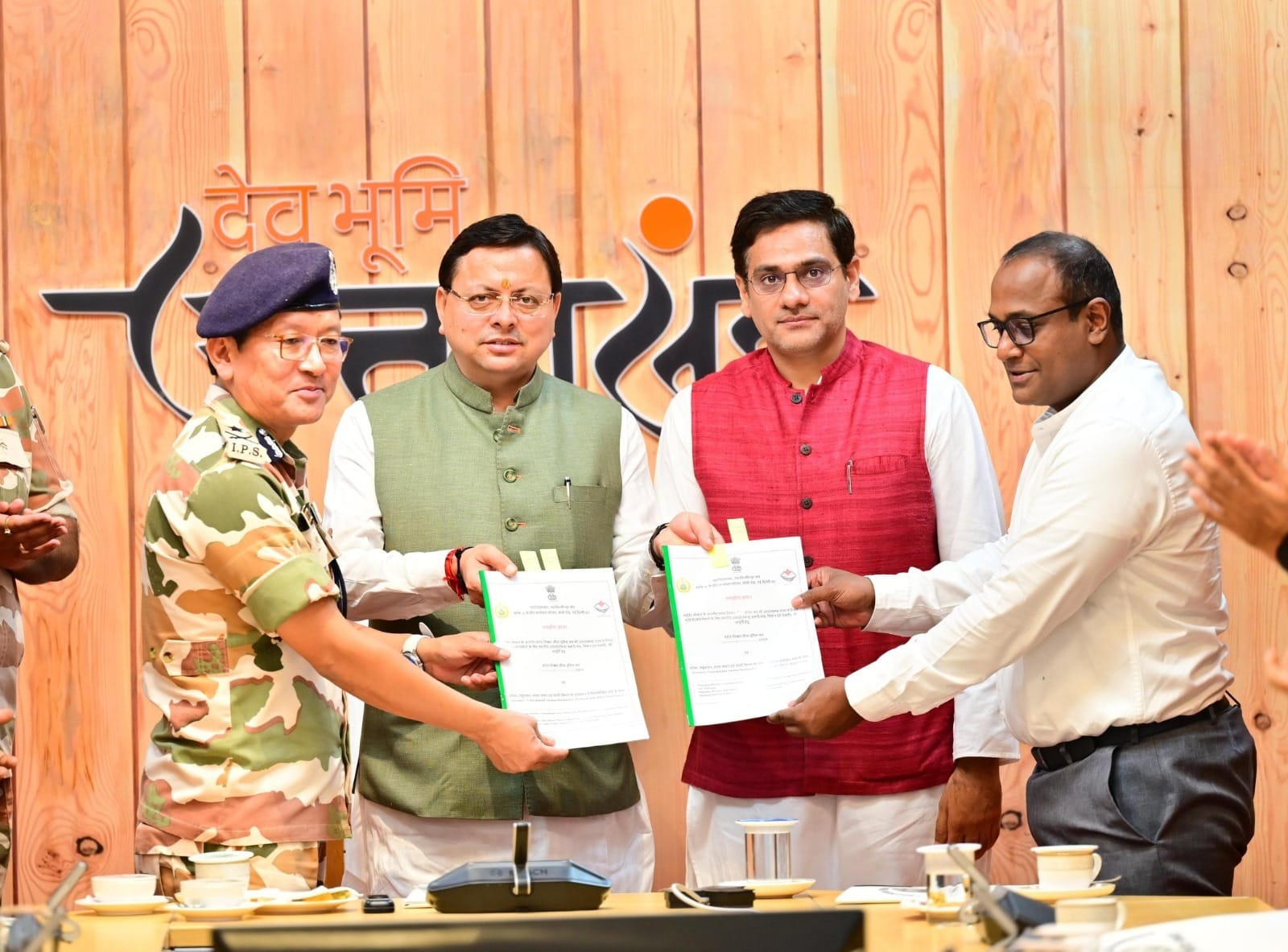
In the remote border villages of Uttarakhand, where life often faces the challenges of isolation and migration, a revolutionary initiative was started to change the course of livelihoods. Under the Vibrant Village Scheme, for the first time in India, a landmark agreement was signed on 30th October 2024 between the Uttarakhand Animal Husbandry & Fisheries Department and the Indo-Tibetan Border Police (ITBP). This historic collaboration fulfills the vision of "Vocal for Local", enabling local farmers to directly supply live goats/sheep, poultry, and trout fish to ITBP units and formations deployed in Uttarakhand's border regions.
Shri Vijay Kantura, a poultry farmer from Sira Gadoli, Chinyalisaur, Uttarkashi, has emerged as a successful beneficiary of the Farmer-to-ITBP Integrated Supply Chain Initiative under the Vibrant Village Programme. Before joining the initiative, he sold poultry in the unorganised local market, where prices were uncertain and market access was limited. With a farm capacity of 5,000 birds, he earned an estimated ₹6.00 lakh per production cycle at an average selling price of ₹120 per kg. After being integrated into the ITBP supply chain, he gained access to an assured institutional market with transparent procurement and timely DBT payments within 24–48 hours.
Improved market confidence enabled him to increase production to 6,000 birds per cycle, while the assured procurement price increased to ₹135 per kg. As a result, his estimated income rose to ₹8.10 lakh per production cycle, representing an increase of ₹2.10 lakh (approximately 35%). To date, Shri Vijay Kantura has supplied 33,619.725 kg of poultry to ITBP formations, earning ₹45,95,377.78 through direct bank transfers. His success demonstrates how assured institutional markets, transparent pricing, and timely payments can significantly enhance farmers' incomes while creating sustainable livelihood opportunities in remote border areas.